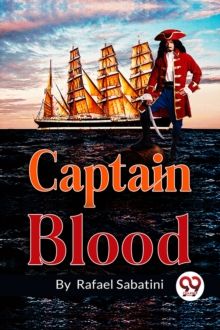
Captain Blood
£17.99
SABATINI, RAFAEL
Save this product for later
Captain Blood
Product Details
ISBN: 9789357481274
Author: SABATINI, RAFAEL
Pages: 250
The Novel and Its Themes
The novel Captain Blood, written by Rafael Sabatini and published in 1922, explores profound themes of justice and human worth. It challenges the authority of individuals—whether king, judge, deputy governor of Jamaica, or jealous lover—to determine the "worth" of another human being. In this compelling story, might does not make right, and even the strong cannot overcome sheer determination.
Plot and Ending
After the Glorious Revolution, Peter Blood is pardoned and rises to become the governor of Jamaica. The novel concludes with Blood set to marry Colonel Bishop's niece, Arabella, and absolving Bishop of all punishment. Rafael Sabatini, the Italian author, masterfully penned this odyssey in 1922.
Historical Context
The historical setting of Captain Blood is loosely based on real events. It delves into the harsh realities faced by Monmouth insurrectionists, who were sentenced to a punishment resembling chattel slavery: ten years of grueling labor in Barbados.
Key Highlights of the Story
- Pirates and Their Way of Life: The book vividly portrays the life of pirates at sea, immersing readers in their daring adventures.
- Main Character: The story follows Peter Blood, an Irishman who becomes a pirate in the Caribbean after being captured and sold into slavery in the British West Indies.
- Adventure and Drama: Packed with action, Captain Blood is a page-turning tale that blends historical fiction with thrilling escapades.
This gripping narrative of resilience, justice, and freedom makes Captain Blood a timeless classic for adventure lovers.
Display prices in:GBP