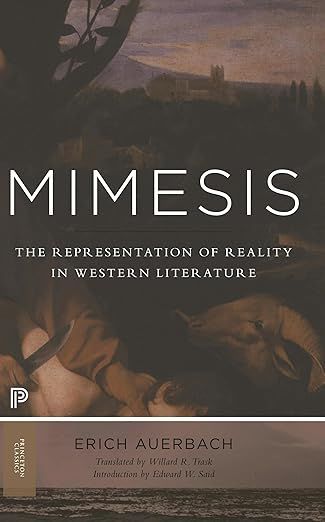
Mimesis: The Representation of Reality in Western Literature
£19.99
AUERBACH, ERICH
Save this product for later
Mimesis: The Representation of Reality in Western Literature
Product Details
ISBN: 9780691160221
Author: AUERBACH, ERICH
Pages: 616
More than half a century after its translation into English, Erich Auerbach's Mimesis remains a masterpiece of literary criticism. A brilliant display of erudition, wit, and wisdom, this work explores how great European writers, from Homer to Virginia Woolf, depicted reality and has taught generations how to read Western literature.
Key Features of This Edition:
- Expanded Content: Includes a substantial introduction by Edward Said.
- Newly Translated Essay: Features an essay, never before translated into English, where Auerbach responds to his critics.
The Story Behind Mimesis:
Auerbach, a German Jew, was forced out of his professorship at the University of Marburg in 1935. He relocated to Turkey, where he taught at the state university in Istanbul. It was during this time, amidst displacement, that he wrote Mimesis, publishing it in German after the end of the war. Despite his circumstances, Auerbach produced a work of great erudition without footnotes, basing his arguments on searching and illuminating readings of key passages from primary texts.
A Work of Optimism and Resistance:
Auerbach's aim was to demonstrate how, from antiquity to the twentieth century, literature progressed toward increasingly naturalistic and democratic forms of representation. This essentially optimistic perspective on European history serves as a defensive and impassioned response to the inhumanity of the Third Reich.
A Testament to Philology and Comparative Literature:
Ranging over works in Greek, Latin, Spanish, French, Italian, German, and English, Auerbach used his remarkable skills in philology and comparative literature to refute any form of nationalism or chauvinism, both in his time and ours.
For many readers, both inside and outside academia, Mimesis is regarded as one of the finest works of literary criticism ever written. This Princeton Classics edition, with its introduction by Edward Said and Auerbach's essay addressing his critics, ensures the legacy of this timeless masterpiece endures.
You May Also Like


Display prices in:GBP