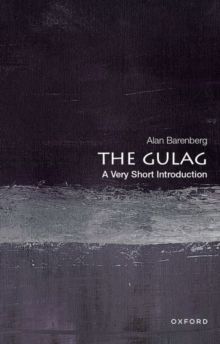
The Gulag: A Very Short Introduction
£9.99
BARENBERG, ALAN
Save this product for later
The Gulag: A Very Short Introduction
Product Details
ISBN: 9780197548226
Author: BARENBERG, ALAN
Pages: 168
A vast system of prisons, camps, and exile settlements, the Gulag was one of the defining attributes of the Stalinist Soviet Union and one of the most heinous examples of mass incarceration in the twentieth century. Combining the functions of a standard prison system with the goal of isolating and punishing alleged enemies of the Soviet regime, it stretched throughout the Soviet Union, from central Moscow to the farthest reaches of Siberia.
From its creation in 1930 to its partial dismantling in the mid-1950s, approximately 25 million people passed through the Gulag. Prisoners and exiles were forced to work in brutal conditions, and millions perished. Although the majority of prisoners and exiles were released after Stalin's death, this was not an end to their struggles. Survivors attempted to reintegrate themselves into a Soviet political, social, and economic system that was hardly welcoming. While some former prisoners wrote or spoke about their experiences in the years and decades after release, it was not until after the collapse of the Soviet Union that a full reckoning became possible.
The Gulag: A Very Short Introduction
This book examines the Gulag and its legacy based on prisoner testimony, archival sources, and the very latest scholarship in the humanities and social sciences. It answers pressing questions such as:
- What was the Gulag, and why was it created?
- How did it fit into the Soviet social, cultural, and economic system?
- What did prisoners and exiles, who came from a wide range of backgrounds, experience in the Gulag?
- What were their prospects for survival?
- How did former prisoners and exiles attempt to come to terms with their experiences after release?
Key Themes Explored:
This Very Short Introduction focuses on three primary themes:
- The connections between the Gulag and the Soviet Union at large
- Social, cultural, political, and economic ties.
- The diverse identities of prisoners and exiles
- How these identities shaped their experiences.
- The long-term legacies of the Gulag
- In the Soviet Union and its post-Soviet successor states.
Ultimately, The Gulag: A Very Short Introduction treats the Gulag as one of the quintessential institutions of the Stalinist Soviet Union. It serves as a powerful example of how modern states, particularly those with utopian ambitions, have sought to manage populations through incarceration and forced labour.
You May Also Like


Display prices in:GBP